

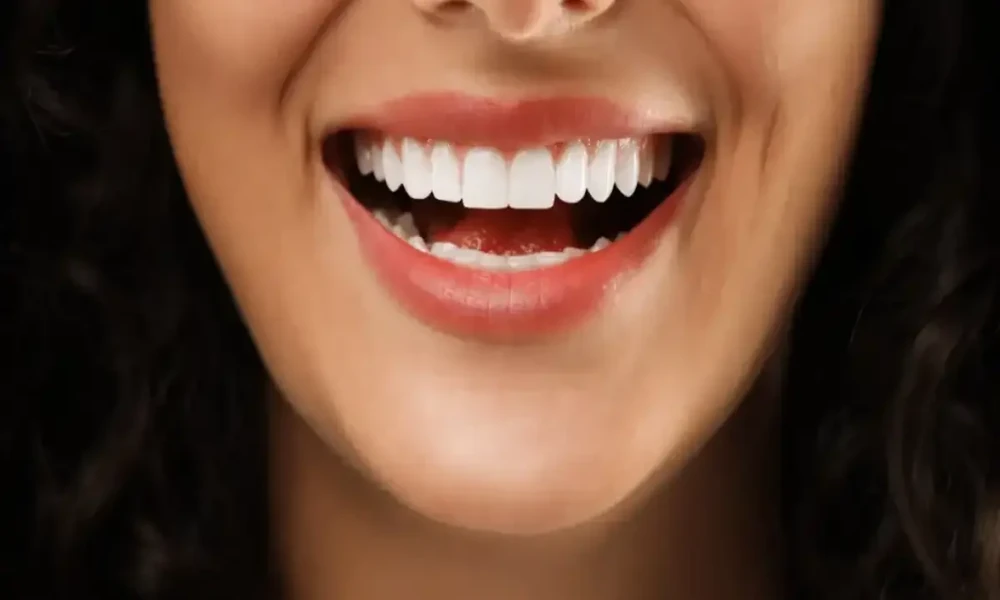
You might be feeling a mix of pride and worry right now. You finally invested in your smile with a Concord dentist, whether that meant veneers to fix worn or chipped teeth, crowns to restore broken ones, or whitening to lift years of stains, and now a little voice in your head keeps asking, “How long is this really going to last?”end
It started with the excitement of seeing your new reflection. Your teeth looked brighter, more even, more “you.” Then you remembered what you spent in time, energy, and money, and the worry set in. What if they chip. What if the color fades. What if you end up right back where you started.
You are not being dramatic. Veneers, crowns, and whitening are real investments. The good news is that you have more control over how long they last than you might think. With thoughtful preventive care, you can protect your cosmetic work, keep your natural teeth stronger, and avoid painful and expensive surprises later on.
In simple terms, here is the heart of it. Preventive care is what keeps your veneers from chipping at the edges, your crowns from failing because of decay underneath, and your whitening from fading in a few months. It is the daily habits and regular visits that protect every dollar and every bit of courage you put into your smile.
Why do veneers, crowns, and whitening fail sooner than they should?
So, where does that leave you when you walk out of the dental office with a new smile. You might assume these treatments are “done” and will just last. In reality, they are only as strong as the teeth and gums that support them, and those can still get sick.
Think about veneers. They are thin shells bonded to the front of your teeth. They are strong, but the tooth behind them can still get cavities, and the gums around them can still get inflamed. If you get gum disease, the gum can pull back and expose the edge of the veneer, which can make it look uneven or trap plaque. That is often when people start to feel disappointed and wonder if their investment was worth it.
The same is true for crowns. A crown covers a tooth, but it does not make that tooth immune to decay. Bacteria can slip in at the margin where the crown meets the tooth if plaque is not cleaned away well. Over time, decay can grow under the crown. By the time you feel pain, you might need a root canal or even a new crown, which means paying again for something you thought was already “fixed.”
Whitening has its own challenges. You leave with bright teeth and feel great. Then coffee, tea, red wine, or tobacco slowly bring stains back. If you grind your teeth or brush too hard with abrasive products, you can wear down enamel, which makes teeth more prone to stain and sensitivity. Without a plan to maintain the results, people often feel frustrated that the brightness faded so fast.
Underneath all of this is a simple truth. Dental work, even high quality work, is not stronger than the habits that surround it. When daily care is rushed or skipped, plaque builds up. Cavities and gum disease quietly develop. The materials used for veneers and crowns are very strong, but as research on dental materials shows, they still depend on healthy tooth structure and stable gums to last.
Because of this tension, you might wonder if there is anything you can realistically do to protect your smile without feeling like you need a dental degree. There is, and it starts with simple preventive care that fits your life.
How does preventive care actually protect cosmetic dental work?
Preventive care is more than just “brushing and flossing.” It is a set of small, repeated choices that protect the bond between your dental work and your natural teeth, reduce stain, and lower the risk of painful problems down the road.
At home, this starts with how you clean your teeth. Using a soft toothbrush, gentle technique, and fluoride toothpaste can remove plaque without scratching veneers or roughening crowns. The American Dental Association offers practical guidance on home care for teeth and gums that can be adapted for cosmetic work as well. Flossing or using interdental cleaners helps keep the margins around crowns and veneers clear of plaque, which is where decay often begins.
Professional care matters just as much. Your dentist and hygienist use tools and methods that clean around veneers and crowns without damaging them. They also check for early signs of problems, like small chips, loose margins, gum inflammation, or bite issues that could put stress on your restorations. The materials used for veneers, crowns, and other indirect restorations are designed to be durable, but they still need this kind of ongoing support.
Think of it like this. Cosmetic treatment is the renovation. Preventive care is the maintenance plan that keeps everything working and looking right. When you skip the maintenance, even the best renovation starts to fail before its time.
What are the real tradeoffs if you skip preventive care?
To make this more concrete, it helps to compare what happens when you prioritize preventive care for your smile makeover versus when you treat it as an occasional afterthought.
| Area | With Strong Preventive Care | With Minimal or No Preventive Care |
|---|---|---|
| Veneers | Edges stay smooth. Gums stay healthy and even. Color stays closer to original shade. Veneers often last 10 to 15 years or more. | Gums recede or get puffy. Edges become visible or stained. Risk of chips or debonding increases. Veneers may need replacement much sooner. |
| Crowns | Margins stay clean. Lower risk of decay under the crown. Bite stays balanced. Crowns can last many years without pain or replacement. | Decay can grow under the crown. Bad breath or soreness appears. You may need a root canal or a new crown, which adds more cost and stress. |
| Whitening | Color stays brighter longer with touch ups and smart habits. Stain builds slowly and is easier to manage. | Stain returns quickly. Color looks uneven. You may feel pressured into repeated full whitening treatments. |
| Financial impact | Lower long term cost. You protect your original investment in cosmetic dental treatment. | Higher long term cost. You pay again to repair or replace work that failed early. |
| Emotional impact | More confidence. You feel your effort and money were well spent. | Frustration or regret. You may feel let down or blame yourself or the treatment. |
So, where does that leave you today. It means you do not need to be perfect. You just need a clear, realistic plan to care for both your natural teeth and your cosmetic work.
Three practical steps to protect your smile investment starting now
1. Create a simple daily routine that respects your veneers, crowns, and whitening
You do not need fancy products, but you do need consistency. Aim for brushing twice a day for two minutes with a soft bristle brush and fluoride toothpaste. Use gentle pressure, especially at the gumline and around veneers and crowns, to avoid scratching or wearing away enamel.
Clean between your teeth every day with floss or interdental brushes. Focus on the areas where the restoration meets the gum. That is where plaque likes to hide and where decay under crowns or staining around veneers often begins.
If you grind or clench your teeth, talk to your dentist about a night guard. Grinding can chip veneers, crack crowns, and wear away the enamel you just whitened. A simple guard can dramatically extend the life of all your cosmetic work.
2. Plan your professional maintenance before problems show up
Do not wait for pain or visible damage. Schedule regular checkups and cleanings, usually every six months, or more often if your dentist recommends it. During these visits, ask specifically about how your smile enhancement treatments are holding up, including veneers, crowns, and whitening.
Your dentist can spot small changes long before you can. A tiny chip in a veneer, a slightly rough crown margin, or early gum inflammation can often be addressed with simple adjustments or polishing instead of full replacement. This is where preventive care really protects your investment in a quiet, behind the scenes way.
Talk with your dentist about a whitening maintenance plan too. That might mean occasional touch up trays at home or timing your cleanings and whitening refreshers around your lifestyle, such as heavy coffee or tea use.
3. Make a few smart lifestyle choices that support your results
You do not have to give up everything you enjoy. Small changes can go a long way. Try to limit how often you sip staining drinks like coffee, tea, red wine, or dark sodas throughout the day. If you do have them, drink water afterward to help rinse your teeth.
Avoid using your teeth as tools. Do not open packages with them or bite on ice, pens, or hard candies. Those quick moments of convenience are common causes of chipped veneers and cracked crowns.
If you smoke or use tobacco, know that it can stain whitening and increase the risk of gum disease, which affects how your veneers and crowns look and last. Even cutting back can make a difference while you work toward quitting.
Protecting your smile is an ongoing choice, not a one time event
You invested in veneers, crowns, or whitening because you wanted to feel more confident when you speak, smile, and show up in your life. It is normal to worry about losing that. The key is to shift from fear of “What if this fails” to intention around “How can I help this last.”
With steady preventive care at home, regular visits with a trusted general and cosmetic dentist, and a few thoughtful habits, you can keep your results looking good and working well for many years. You deserve to enjoy the smile you worked so hard to achieve, not just right after treatment, but well into the future.
