

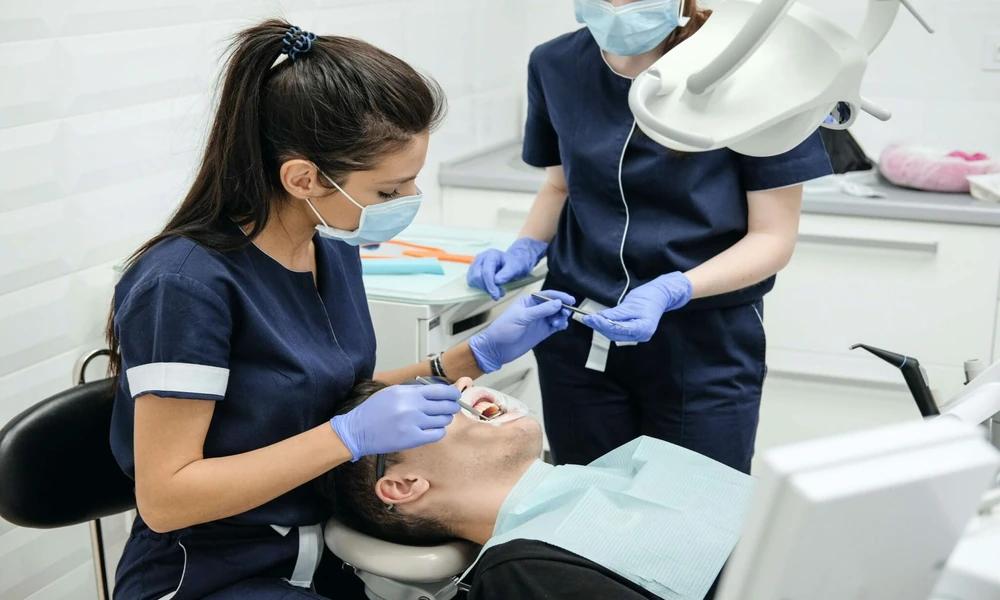
You brush, you rinse, you try to stay on top of it, and still your gums bleed a little when you floss. It is easy to shrug that off, especially when life is busy and nothing hurts yet. That is how gum disease often starts. Quietly. A little redness, a little swelling, bad breath that seems harmless, then months pass and the problem gets harder and more expensive to treat. A trusted dentist in west Houston can help catch these early signs before they become more serious.
The importance of preventive care in reducing gum disease risks comes down to one simple truth. Small habits and regular dental visits catch trouble before it settles deep below the gumline. Gum disease is common, but it is not something you have to accept as inevitable. Early care protects your teeth, your gums, and often your budget too.
Preventive dental care stops gum disease before it becomes harder to treat
Gum disease usually begins as gingivitis. Your gums may look puffy, feel tender, or bleed when you brush. At this stage, the damage can often be reversed with better home care and a professional cleaning. When it goes untreated, it can turn into periodontitis, which affects the tissue and bone that hold your teeth in place. The CDC explains gum disease in clear terms, and the pattern is consistent. Early signs are easy to miss, but the later effects are much harder to ignore.
You might already know the feeling. You notice bleeding once, then tell yourself you will floss more next week. You skip a cleaning because work is packed or money is tight. Then sensitivity shows up, your gums start pulling away from your teeth, and eating certain foods becomes uncomfortable. Preventive care matters because gum disease rarely stays still. It tends to progress when plaque and tartar keep building up.
Preventing gum disease is less about perfection and more about consistency. Daily brushing and flossing disturb the bacteria that collect around your teeth. Routine visits with a general dentist help remove hardened buildup that your toothbrush cannot touch. Those visits also give someone a chance to spot changes before you feel pain.
Untreated gum problems can affect more than your mouth
Many people think of gum disease as a minor dental issue, but it can become a long-term health burden. According to the National Institute of Dental and Craniofacial Research, gum disease ranges from mild inflammation to serious damage to the soft tissue and bone supporting the teeth. Once bone loss begins, prevention shifts into management, and that is a different experience entirely.
The emotional side matters too. Bleeding gums and bad breath can make you self-conscious. Loose teeth or gum recession can change how you smile, eat, and speak. There is also the financial strain. A cleaning and exam cost far less than deep cleanings, gum therapy, extractions, or tooth replacement later on. When people put off care to save money, they often end up facing bigger treatment plans down the road.
This is why gum disease prevention is not just a nice idea. It is practical. It lowers the odds that a manageable issue turns into a painful and expensive one.
Daily habits and professional dental care work better together
Home care is the base. Professional care is the safety net. You need both. Brushing twice a day with fluoride toothpaste, flossing once a day, and paying attention to changes in your gums are strong first steps. A general dentist can then check for plaque buildup, gum pockets, inflammation, and early bone changes that are easy to miss at home.
Some people face a higher risk and need closer monitoring. Smoking, diabetes, hormonal changes, dry mouth, certain medicines, and a family history of periodontal disease can all raise the odds. MedlinePlus offers a helpful overview of gum disease symptoms and causes, including risk factors many people do not connect to their oral health.
Think about two common situations. One person keeps regular cleanings, mentions occasional bleeding, and gets guidance before the problem spreads. Another waits until there is swelling, pain, and gum recession. The first case often needs simple care. The second may need deep cleaning below the gums, several follow ups, and long-term maintenance. The difference is not luck. It is timing.
Preventive care reduces risk, cost, and tooth loss
| Approach | What It Usually Involves | Likely Outcome |
|---|---|---|
| Consistent preventive care | Brushing twice daily, flossing daily, routine exams, regular cleanings | Better chance of catching gingivitis early and avoiding permanent damage |
| Inconsistent home care | Skipping flossing, rushed brushing, waiting for symptoms | More plaque buildup, bleeding gums, higher risk of disease progression |
| Delayed professional treatment | Missing cleanings, addressing problems only after pain or swelling appears | Higher treatment costs, deeper infection, possible gum recession or tooth loss |
The value of prevention is not abstract. It shows up in fewer emergencies, less discomfort, and a lower chance of losing support around your teeth. That is the real benefit of early action.
Simple steps can lower your gum disease risk starting today
1. Pay attention to early signs. Bleeding when you floss is not normal. Redness, swelling, bad breath, gum tenderness, or gums that look like they are pulling back deserve attention. Write down what you notice so you can describe it clearly at your next visit.
2. Tighten your daily routine. Brush for two full minutes twice a day, floss once a day, and replace your toothbrush or brush head regularly. If flossing feels awkward, use floss picks or another tool your dentist recommends. The best routine is the one you will actually keep doing.
3. Stay on schedule with a general dentist. Routine cleanings and exams help remove tartar and catch changes early. If you have diabetes, smoke, or have had gum issues before, ask whether you need more frequent visits. Personalized care often makes a bigger difference than people expect.
Protecting your gums now makes future dental care easier
You do not need to wait for pain to take gum health seriously. Most people who develop gum disease did not ignore their mouth on purpose. They got busy, symptoms seemed minor, and the problem stayed quiet until it was not. Preventive care interrupts that pattern.
If your gums bleed, feel sore, or simply have not been checked in a while, schedule a visit with a general dentist. Early care is easier, less stressful, and far more likely to protect your smile for the long run.
