

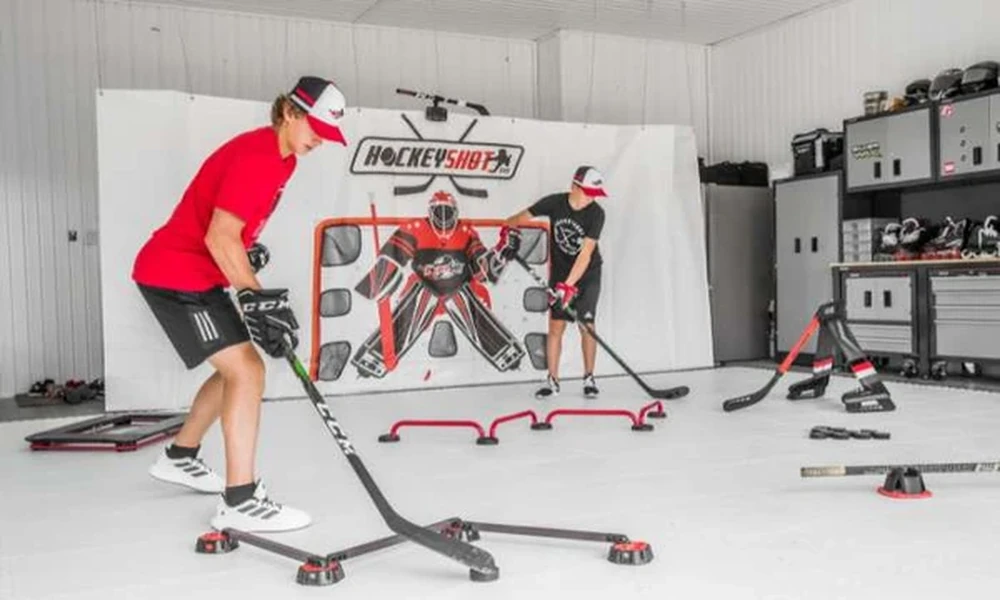
Lightning-quick puck handling is the difference between a good hockey player and one who can control the game. Yet, this skill is rarely mastered in crowded team practices or limited outdoor seasons. Year-round indoor hockey training is no longer a luxury; it is becoming the secret weapon for players who want to truly elevate their game.
Why Is Year-Round Indoor Hockey Training Critical for Puck-Handling Speed?
In modern hockey, the ability to move the puck swiftly, under pressure, at odd angles, or while executing deceptive maneuvers, is priceless. The speed at which a player handles the puck dictates whether they can outmaneuver an opponent, create scoring opportunities, or keep up with the breakneck pace of today’s games.
What Makes Puck-Handling Speed So Important in Hockey?
Split-second puck movements throw off defenders and open up passing lanes. When hands and mind move faster than the opposition, a player is no longer just following the play, they’re dictating it. The players with the fastest hands are often the ones who turn turnovers into scoring chances and maintain control under intense game pressure.
How Does Consistent Practice Influence Skill Development?
Like any technical skill, puck-handling thrives on repetition. Team practices are packed with systems, positioning drills, and situational scrimmages, leaving little time for truly focused stickhandling work. Extra, individualized practice, especially on indoor rinks, gives players countless more touches, letting them build muscle memory and fine-tune their movements until handling the puck becomes second nature, even at top speed.
How Does Indoor Training Differ from Traditional Ice Practice?
Weather, rink availability, and team schedules naturally limit the amount of time a player can get on traditional ice. Indoor settings, especially those featuring synthetic ice, remove these barriers and ensure skill development does not freeze when outdoor rinks close for the season.
What Are the Benefits of Synthetic Ice Rinks for Year-Round Training?
Synthetic ice provides a nearly frictionless surface that closely mimics real ice, crucial for developing authentic puck control and edge work. Players can use their regular skates and sticks, which helps build transferable skills. Training on these surfaces all year means no long gaps between sessions, so skill progression never stalls.
How Does Indoor Training Overcome Seasonal Limitations?
Montreal winters can be harsh, but even the coldest weather cannot guarantee a smooth outdoor rink. Rain, thaw, and maintenance issues interrupt progress. Indoor facilities, such as those at Cavendish, are immune to the elements, offering a reliable and safe environment for kids and adults to focus solely on skill improvement.
How Does Extra Training Translate Into Faster Puck-Handling?
The science of skill development is clear: the more time a player spends with a puck on their stick, the faster and more confident they become. By isolating skillwork in an indoor environment, repetition skyrockets.
Why Is Increased Repetition Key to Speed and Precision?
Repetition lays the foundation for speed and precision. In an indoor setting, a player might complete hundreds more stickhandling movements or shots in a session than they would during a team practice. That extra work accelerates the transition from slow, deliberate movement to lightning-fast, instinctive action.
What Specific Drills Enhance Puck Control and Reaction Time?
Players benefit from a mix of stationary and dynamic drills: around-the-cone stickhandling, moving pucks through obstacles, and quick-release shots. Adding visual or auditory cues can also improve reaction time and decision-making, simulating real-game chaos.
What Role Does Confidence Play in Developing Faster Puck Skills?
Technical ability and confidence are deeply intertwined. Consistent, successful repetitions not only improve mechanics but also build belief.
How Does Mastery Through Extra Practice Build Player Confidence?
There is a unique confidence that comes from knowing you’ve put in the work. When a young player handles the puck smoothly in practice, they’re far more likely to trust those skills under the pressure of a game. That comfort directly translates into faster and more purposeful gameplay.
Can Confidence Improve Decision-Making Under Pressure?
Absolutely. A confident player reacts rather than hesitates, seeing and seizing opportunities that others might miss. With a solid foundation, their brain is free to read the play, not worry about losing the puck.
Who Benefits Most from Year-Round Indoor Hockey Training?
Every player, from beginners to elites, has something to gain, though their goals often differ.
How Do Beginners and Advanced Players Utilize Indoor Training Differently?
Beginners focus on mastering puck control and building the basics. Advanced players push the limits with speed drills, complex combinations, and situational challenges. For both, the consistent surface and uninterrupted ice time are critical assets.
What Age Groups See the Greatest Improvement?
While every age benefits, youth players typically see the biggest jumps in skill and confidence. Their brains and bodies are primed for rapid learning, and extra practice at this stage creates lifelong habits.
How Can Parents and Coaches Support Year-Round Indoor Training?
Parents can encourage extra sessions, ensuring that practices are fun and focused rather than forced. Coaches can recommend individualized drills that address each player’s specific needs, balancing team tactics with the building blocks of skill.
What Should Be the Focus During Extra Practice Sessions?
Sessions should combine repetition, challenge, and play. The goal is steady improvement, not just exhaustion. Tracking progress, through timing drills or shooting accuracy, keeps motivation high.
How to Balance Team Practices with Individual Skill Development?
Team and individual sessions complement each other. Team practices focus on systems and teamwork, while solo or small group sessions allow for deep dives on personal skills.
What Makes West-End Cavendish Athletic Club a Premier Training Facility?
In Montreal, access to dedicated indoor spaces for hockey is a game-changer. West-End Cavendish Athletic Club stands out for its commitment to year-round player development.
What Features Does Their Synthetic Ice Rink Offer for Skill Growth?
The rink is designed for all ages and levels, offering a realistic ice surface and the flexibility to practice anytime. This allows players to hone their puck-handling, shooting, and confidence without seasonal limits.
How Does Access to a Dedicated Training Space Accelerate Development?
A dedicated space means players never have to wait for ice time or worry about the weather. Consistency leads to faster progress, more enjoyment, and a deeper love for the game.
For those seeking a reliable environment for skill growth, West-End Montreal indoor hockey training is an excellent resource to explore.
How to Get Started with Year-Round Indoor Hockey Training
It takes little to start: comfortable athletic gear, a stick, and a will to improve. Facilities often provide pucks and training aids, so beginners and veterans alike can jump right in.
Set aside regular training times that fit your family’s schedule. Consistency leads to results, whether it’s a few focused sessions a week or a daily stickhandling routine at home. The key is building quality habits that stick, just like the skills you want to master.
Year-round indoor hockey training isn’t just about keeping busy in the off-season. It is about giving every player, regardless of age or level, the chance to achieve their fastest, most confident puck-handling yet.
