

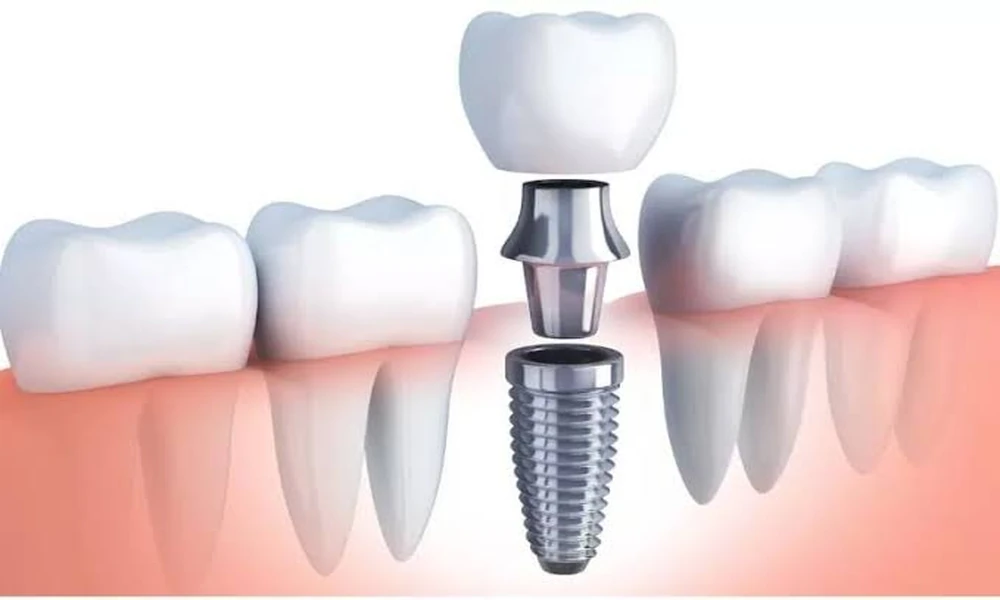
You paid for a smile you feel good about, and that usually means you notice every little change. A small stain on bonding, a rough edge on a veneer, whitening that does not look as bright as it did at first. It can be frustrating because cosmetic dental work is not cheap, and once you have it, you want it to stay clean, smooth, and natural for as long as possible. If you are also considering tooth replacement in Carmel Hamlet, NY, keeping your dental work in excellent condition becomes even more important.
The good news is that most cosmetic dental work maintenance comes down to steady habits, a few smart limits, and knowing when home care stops being enough. If you have veneers, bonding, crowns, or whitening, daily care matters just as much as the treatment itself. The same basics that support good dental health also protect the look of your smile.
Surface stains and small habits can shorten the life of cosmetic dentistry
Coffee, tea, red wine, dark sauces, and tobacco leave marks over time. That is true for natural teeth, and it is also true for many cosmetic materials. Whitening can fade. Bonding can stain faster than porcelain. Veneers resist stains better, but they still need care, especially around the edges near the gumline.
You may already be doing the obvious things and still feel annoyed by changes. That happens when the small daily habits add up. Sipping coffee for hours, brushing too hard with a rough toothpaste, chewing ice, or using your teeth to open packaging can wear down the very work you are trying to protect. A family and cosmetic dentist sees this often. The damage is not always dramatic at first. It starts with dullness, tiny chips, or gums that become irritated and make the whole smile look less even.
Dry mouth is another problem people miss. Less saliva means less natural rinsing, which raises the chance of plaque buildup, decay around dental work, and a sticky feeling that makes stains cling more easily. The NIH offers a helpful overview of dry mouth and why it affects oral comfort and health.
Gentle home care protects veneers, bonding, crowns, and whitening results
The first tip is to brush with a soft toothbrush and a nonabrasive toothpaste. Whitening toothpastes that feel gritty can scratch some surfaces and make them collect stains faster. Clean does not need to mean harsh.
The second tip is to floss every day, especially around veneers and crowns. Cosmetic work still depends on healthy gums. If your gums are inflamed or receding, even beautiful dentistry can start to look uneven. The National Institute on Aging has clear guidance on taking care of your teeth and mouth, and the basics apply whether your smile is natural, restored, or both.
The third tip is to cut down on frequent staining foods and drinks, or at least change how you have them. Drinking coffee in one sitting is easier on your teeth than sipping it all morning. Rinsing with water after dark drinks helps. If you smoke or vape, quitting protects both the look of your teeth and the health of your mouth.
Grinding and biting habits can damage cosmetic dental work fast
The fourth tip is to protect your teeth from pressure. If you grind at night, veneers and bonding can chip or wear down. If you bite your nails, chew pens, or crunch ice, the risk goes up. People often think damage will be obvious and sudden, but a lot of it happens little by little until one day something feels off.
A night guard can make a major difference if you clench or grind. If you wake up with jaw tension, headaches, or sensitive teeth, that is worth mentioning at your next dental visit. Protecting your bite is part of keeping dental veneers bright and intact, not just managing comfort.
Regular polishing and exams help cosmetic dentistry stay natural looking
The fifth tip is to keep up with cleanings and checkups. Cosmetic work does not make you immune to plaque, tartar, or gum problems. Professional cleanings remove buildup that home care leaves behind, and routine exams catch rough margins, bite problems, and early decay before they turn into costly repairs.
The sixth tip is to get touch ups when they are needed instead of waiting. Whitening may need maintenance. Bonding may need smoothing or replacement after years of use. A small polish now can prevent a bigger fix later. This is one of the best forms of cosmetic dentistry care because it keeps small flaws from becoming expensive ones.
At home care and professional care do different jobs
| Concern | At Home Care | Professional Care |
|---|---|---|
| Surface plaque | Brushing twice daily and flossing every day | Deep cleaning in hard to reach areas |
| Stains from coffee, tea, or wine | Rinse with water, limit frequent sipping, use a straw when appropriate | Polishing, stain removal advice, whitening maintenance when suitable |
| Small chips or rough spots | Avoid hard foods and stop chewing ice or pens | Repair, smoothing, or replacement of damaged material |
| Gum irritation around cosmetic work | Gentle brushing and daily flossing | Evaluation of fit, margins, and gum health |
| Grinding related wear | Notice symptoms like jaw pain or morning soreness | Night guard and bite adjustment when needed |
Three steps you can take today to protect your smile investment
Switch to gentler tools. Use a soft toothbrush and a toothpaste that is not abrasive. If you are not sure what you are using now, check the label and avoid products marketed as heavy stain scrubbers.
Audit your daily stain exposure. Look at how often your teeth meet coffee, tea, soda, red wine, and tobacco. You do not have to give up everything. Shorten the contact time, rinse with water after, and avoid letting these sit on your teeth for hours.
Book routine maintenance before something feels urgent. If your bonding looks darker, your whitening has faded, or a veneer edge feels different, schedule a visit before the issue grows. Preventive care is usually simpler and less expensive than repair after damage spreads.
Your smile does not need perfect conditions to stay attractive. It needs steady care, less wear, and attention before small changes turn into bigger ones. If you want help protecting your results, schedule a visit with a family and cosmetic dentist and get a care plan that fits the work you have now and the smile you want to keep.
